COMMITTED TO PROVIDE THE START-UPS AND OLD BRANDS WITH ALL THE SERVICES

Views: 0 Author: Site Editor Publish Time: 2026-02-26 Origin: Site


The moment you try on a dress and instantly start adjusting it — pulling the straps, smoothing the waist, worrying about the length — you realize the difference between something that looks nice and something that actually works. That difference is why Custom Women’s Dresses matter. They are not reserved for luxury moments alone; they are practical solutions for occasions where fit, comfort, and presentation directly affect how you feel and how you show up. Instead of adapting yourself to a garment, customization allows the garment to adapt to you. Understanding when this matters most helps you make smarter wardrobe decisions and invest where the impact is real.
Events involve movement, sitting, standing, walking, and often hours of activity. Standard sizing is built on averages, while real bodies vary significantly. Custom dresses account for torso length, shoulder slope, waist position, and proportion. This ensures the garment remains comfortable and visually balanced throughout the event rather than only during a fitting moment.
Many events describe dress expectations using general language. Words such as elegant, formal, refined, or relaxed leave room for interpretation. Custom design decisions — neckline height, sleeve shape, silhouette structure, and hem length — help remove uncertainty. The result is a dress that aligns with the occasion rather than guessing whether it will be appropriate.
Fabric influences temperature regulation, structure, movement, and longevity. Customization allows breathable fabrics for outdoor events, structured fabrics for professional settings, or flowing materials for travel and leisure. Choosing lining and stretch also prevents common issues such as transparency, stiffness, or discomfort over time.
Weddings combine long hours, varied environments, and constant photography. Guests, bridesmaids, and family members need dresses that maintain structure while allowing movement. Custom dresses ensure balanced proportions in photos and reliable comfort from ceremony to reception. This consistency is particularly valuable when the event includes travel, dancing, and extended social interaction.
These events require refinement without exaggeration. Custom dresses help achieve that balance by refining details such as neckline depth, sleeve length, and silhouette flow. The goal is to look intentional and polished while maintaining ease.
Milestones often involve transitions between formal moments and casual gatherings. A custom dress allows movement for walking, sitting, and posing for photos while preserving a flattering silhouette. This adaptability makes the garment suitable for both the event and future occasions.
Outdoor environments introduce heat, sunlight, and unpredictable conditions. Breathable fabrics, anti-sheer construction, and thoughtful lining become essential. Custom dresses allow these adjustments so the garment remains comfortable and visually appropriate in natural lighting.
Travel wardrobes require versatility and comfort. A custom maxi dress can control volume, adjust strap placement, and ensure the length works with sandals or barefoot environments. Wind, humidity, and movement become easier to manage when design decisions are intentional.
Events involving long walking distances and crowded spaces demand practical stability. Custom dresses can include secure straps, flexible fabrics, and details that support mobility. The result is clothing that allows freedom without compromising appearance.
Professional environments require balance. A dress should feel refined but not distracting. Custom dresses provide subtle tailoring so sleeve length, waist placement, and silhouette communicate confidence while remaining comfortable across extended schedules.
First impressions are shaped by proportion and structure. A custom shirt dress or sheath silhouette ensures shoulders sit correctly, waist definition appears natural, and hem length aligns with professional expectations. This clarity helps remove distraction and supports presence.
Standard sizing rarely accommodates variations in torso length, hip ratio, or shoulder placement. Custom dresses address these structural differences so the garment appears intentional rather than adjusted. This improves both comfort and visual harmony.
Body transitions often create frustration with traditional sizing. Custom dresses allow comfort zones while preserving structure, helping individuals feel confident without compromising appearance. Flexibility in design makes the garment supportive during periods of change.
Occasion | Best silhouette | Best fabric | Detail that matters | Why custom helps |
Wedding guest | Fit and flare | Silk blend | Waist placement | Photogenic balance |
Bridesmaid | A-line | Chiffon | Movement | Cohesive group look |
Anniversary | Wrap | Satin | Neckline proportion | Elegant simplicity |
Graduation | Sheath | Stretch crepe | Length accuracy | Stage comfort |
Outdoor event | Maxi | Lightweight cotton | Lining | Heat comfort |
Resort | Flowing maxi | Linen blend | Strap stability | Travel practicality |
Festival | Relaxed mini | Jersey | Mobility | Ease of movement |
Business dinner | Midi sheath | Structured fabric | Sleeve refinement | Professional polish |
Interview | Shirt dress | Cotton blend | Shoulder fit | Clear structure |
Body transition | Soft A-line | Stretch fabric | Comfort zones | Confidence |
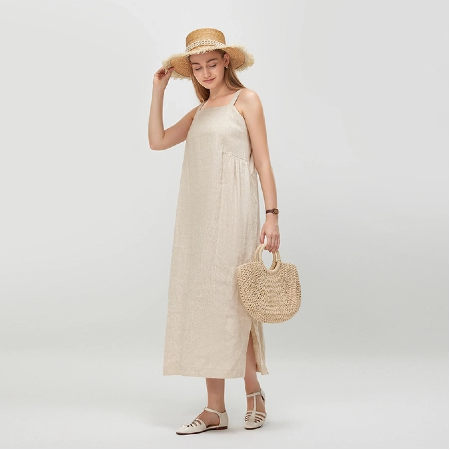
Clarify the event, coverage preference, and comfort priorities. These decisions shape most design outcomes and reduce uncertainty during development.
Certain measurements influence visual refinement more than size labels. Shoulder width, bust placement, and torso length determine how expensive a dress appears because they affect alignment and balance.
Custom production involves design confirmation, refinement when needed, and final manufacturing. Planning ahead allows more precise execution and eliminates last-minute compromises.
Guangzhou Meiji Garment Company focuses on medium and high-end clothing customization, helping fashion brands and clients translate design ideas into production-ready garments. Their experience supports consistent execution across fabric selection, silhouette development, and detail refinement, ensuring that custom dresses meet real usage requirements rather than only aesthetic expectations.
A custom dress often becomes a foundational wardrobe piece rather than a single-event purchase. When fit and silhouette align correctly, styling variations allow the same garment to adapt across occasions. This increases wardrobe efficiency and reduces repeated searching for replacements.
Consistency is another long-term benefit. Once a base pattern reflects your proportions, future designs become easier and more predictable. This reduces risk and improves satisfaction across multiple projects.
Customization also supports brand expression. Whether for individuals or fashion brands, garments that reflect specific design direction create visual consistency. This matters in professional settings, content creation, and brand storytelling.
Occasion-focused dressing shifts attention from trend chasing to performance. The question becomes whether the garment supports the experience rather than whether it looks appealing in isolation. This perspective leads to more practical wardrobe decisions.
Common frustrations — inconsistent sizing, limited silhouette options, and fabric compromises — often appear during important moments. Custom dresses address these issues together, producing garments that deliver reliability. Reliability is what transforms clothing from a purchase into a solution.
Manufacturers with structured customization capabilities play an important role in this process. Meiji’s approach centers on understanding specifications and translating them into efficient production outcomes. This ensures that each dress reflects design intention while maintaining wearability.
Clothing influences emotional readiness. When a dress fits properly, movement becomes natural and attention shifts away from adjustments. This allows individuals to focus on conversations, presentations, or celebrations.
Confidence is often built through predictability. Knowing how a garment will behave removes uncertainty, especially in unfamiliar environments. Custom dresses contribute to this predictability because they are designed around real usage rather than generalized sizing assumptions.
This emotional benefit is one of the most overlooked advantages of customization. While visual uniqueness is noticeable, internal comfort and confidence often define the overall experience.
Clear references help translate ideas into results. Images, fabric preferences, and notes about comfort expectations provide direction. Communication about movement requirements, climate, and event duration further improves outcomes.
Understanding lifestyle context also matters. A dress designed for travel requires different construction decisions than one designed for indoor events. Discussing these factors early helps avoid revisions later.
Budget planning benefits from clarity as well. When specifications are defined, customization becomes a controlled process rather than an uncertain one. This transparency improves decision making and satisfaction.
Occasions highlight the difference between clothing that simply exists and clothing that supports experience. Customization brings clarity to fit, design, and comfort, making it easier to rely on a garment when it matters most. From celebrations to professional moments, thoughtful customization transforms uncertainty into consistency. Working with experienced partners like Meiji allows each personalized dresses concept to move from idea to finished garment that performs reliably across real situations.
1. When do custom women’s dresses offer the most value?
They provide the greatest value for events involving long wear time, photography, or situations where confidence depends on reliable fit.
2. How long does a custom dress typically take to produce?
Production timelines vary depending on design complexity, but planning ahead ensures smoother execution and better results.
3. Can custom dresses be designed for everyday wear?
Yes. Many clients choose custom dresses for professional or travel wardrobes where consistent fit improves daily comfort.
4. What information should I prepare before starting a custom dress project?
Prepare occasion details, reference images, comfort preferences, and accurate measurements to support clear communication.