COMMITTED TO PROVIDE THE START-UPS AND OLD BRANDS WITH ALL THE SERVICES

Views: 0 Author: Site Editor Publish Time: 2026-04-08 Origin: Site


A great Trench Coat can change an outfit in seconds. It adds polish, shape, and confidence without feeling too formal. That is why it stays relevant year after year, across workdays, weekends, and dinners out. Still, many people struggle to style it in a fresh way. They want it to look modern, flattering, and easy to wear more than once. In most cases, the answer comes down to fit, proportion, and a few simple styling choices. Quality plays a role too, which is why well-made pieces often feel easier to wear.
In this article, we will discuss how to style a Trench Coat for different outfits and seasons. You will learn how to pair it with everyday basics, dresses, and smarter pieces while keeping the overall look clean and effortless.
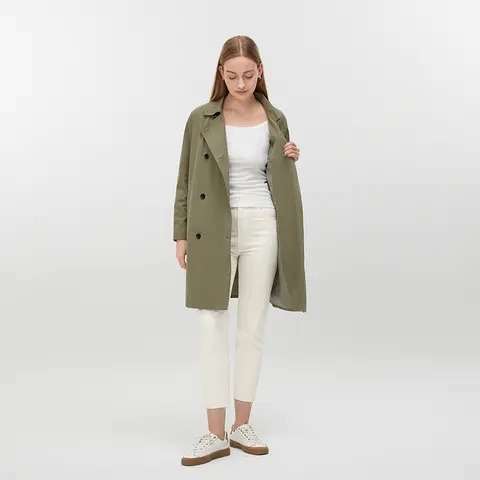
Length changes the entire effect of a trench coat. A cropped style feels brisk and modern, especially over high-rise trousers or denim. A knee-length option is often the most flexible because it works for workwear and weekend outfits. A midi or longline trench coat looks elegant and creates a smooth vertical line, which is especially useful when you wear dresses, wide-leg pants, or monochrome outfits.
The easiest way to choose is to look at what you already wear most. If your closet leans casual and practical, knee-length is often the safest choice. If you love dresses and longer silhouettes, a long trench coat usually blends better. The goal is not to follow a rule for the sake of it. It is to make the coat feel like a natural extension of the rest of your wardrobe.
Even the best outfit ideas fall flat if the trench coat does not fit well. Start at the shoulders. They should sit neatly and allow easy movement. Then check the sleeves. They should end near the wrist bone, not swallow the hand. Through the body, it should skim rather than cling. You want enough room for a light knit or shirt, but not so much extra fabric that the coat loses shape. Waist definition matters too. Some trench coats look best worn open, but the belt still needs to sit in the right place so the coat keeps a flattering line when you tie it. A better fit also makes styling easier because you do not need to “fix” the outfit using bulky layers or too many accessories. When the structure is right, the coat does most of the work for you.
Color influences how often you reach for your coat. Neutral shades such as beige, camel, black, and olive blend easily with most wardrobes. They allow you to mix textures and shapes without clashing. This flexibility makes daily styling faster and more intuitive.
Below is a quick reference for choosing color based on styling goals:
Color | Best Use Case | Styling Effect |
Beige/Camel | Everyday wear, spring outfits | Soft, classic, versatile |
Black | Evening, urban looks | Sharp, modern, structured |
Olive | Casual, relaxed outfits | Subtle, grounded, practical |
A trench coat always looks better when the details feel deliberate. Clean stitching, crisp lapels, smooth lining, sturdy buttons, and fabric that drapes well can make a major difference. They help the coat hold its shape and move well over other layers. Good finishing also improves how it looks when worn open, belted, or tied back. This is where construction matters as much as design. The source document describes MEIJI as a company built around medium- and high-end clothing customization, dependable service, and refined manufacturing support. Those values matter because a trench coat is not just a trend item. It is a repeat-wear piece, so fabric feel, shape retention, and finishing quality affect the daily styling experience.
Note: When choosing a trench coat for a collection or product line, prioritize fit consistency and fabric hand feel first. They influence styling results more than decorative extras.
This is one of the easiest ways to wear a trench coat well. Start with straight-leg or slim jeans, add a simple T-shirt or lightweight knit, then finish with clean sneakers. The trench coat adds structure, so the outfit looks pulled together even when the pieces are basic. It is a strong option for coffee runs, commuting, errands, and relaxed meetings.
The trick is to keep the base outfit clean. Avoid too many distressed elements, loud logos, or competing colors. Let the trench coat set the tone. If the coat is beige or camel, white sneakers often keep the look fresh. If it is black or olive, a neutral sneaker still works, but the mood feels a little sharper. This formula succeeds because it feels effortless but still intentional, which is exactly what many readers want from everyday style.
If jeans feel too casual, this combination offers a more polished alternative without losing comfort. Start with straight-leg pants, then layer a fine knit, a crewneck sweater, or a fitted turtleneck underneath. A Trench Coat over these pieces creates a clean, streamlined silhouette that works well for office days, travel, or casual meetings.
To keep the outfit balanced, choose lightweight knits that sit easily under the coat. From there, shoes can shift the entire mood of the look. Instead of changing the whole outfit, you can simply adjust footwear and accessories to match different occasions.
Shoes Type | Style Effect | Best Occasion |
Loafers | Smart, polished | Office, meetings |
Minimal Sneakers | Relaxed, modern | Daily wear, travel |
Ankle Boots | Structured, seasonal | Fall outfits, city styling |
This approach works because it keeps the base outfit simple while allowing flexibility. You can use the same foundation and update shoes, bags, or small details to create multiple looks without starting over.
Stripes and trench coats work so well because they share the same mood: clean, classic, and unfussy. A striped knit or Breton-style top adds visual interest without making the outfit feel busy. It is an easy way to break up a neutral palette while staying timeless. Paired with denim, loafers, or straight-leg pants, the look feels fresh but never overworked.
This combination is useful because it gives personality to simple pieces. If your trench coat is beige, black-and-white stripes are a reliable match. Navy stripes also work beautifully, especially with denim and tan accessories. Keep the rest of the outfit quiet. A structured bag, small hoops, or a watch is enough. The trench coat and stripes already provide enough style direction, so there is no need to add more noise.
A long trench coat over a midi dress creates one of the most elegant and easy outfit formulas. The reason is simple: similar lengths create a smooth visual line. Your eye moves down the outfit without interruption, which makes the whole look feel more balanced. This works especially well for slip dresses, knit dresses, and shirt dresses in neutral or deep tones.
To keep it modern, pay attention to contrast in texture rather than excessive color. A soft dress under a structured trench coat creates just enough tension to make the outfit interesting. Footwear matters too. Heeled boots, slingbacks, or refined flats can all work depending on the occasion. If the weather is mild, wear the coat open. If it is cooler, belt it lightly so the shape stays defined without looking stiff.
Shorter trench coats usually pair best with above-the-knee skirts, mini dresses, or tailored shorts. The similar proportions help the outfit feel intentional rather than cut off in the wrong place. This can be especially helpful for petite frames because a long coat may overwhelm a smaller silhouette, while a shorter trench coat keeps things light and mobile.
The key is to keep balance in the lower half. Knee boots, loafers, or sleek ankle boots can support the outfit depending on season and tone. If the skirt or dress is already playful, let the trench coat bring polish. If the base outfit is simple, use the coat to add shape and confidence. This pairing proves that a trench coat does not need to feel formal. It can be youthful, practical, and still very refined.
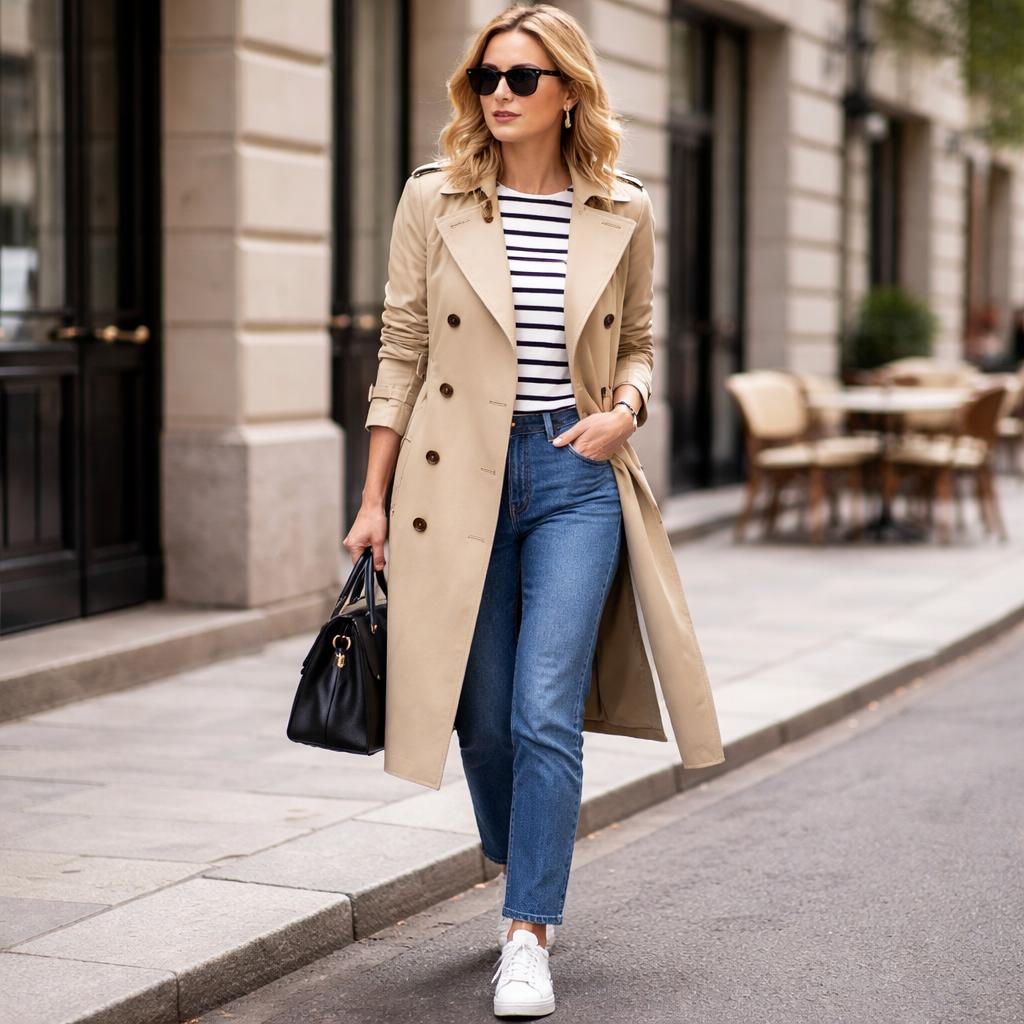
A trench coat shines in work settings because it sharpens classic office pieces without making them feel rigid. Try it over tailored trousers and a button-down shirt, or over a fine knit and pencil skirt. It adds a clean outer layer that helps bridge the gap between commute wear and a finished office outfit. It also works well in transitional weather when heavier coats feel like too much.
Use structure to your advantage. If the clothes underneath are fluid, let the trench coat provide crispness. If the base is already tailored, keep the coat relaxed and open for contrast. Stick to simple colors, especially if you need the outfit to move across meetings and after-work plans. A trench coat is valuable here because it looks professional without the heaviness of a blazer layered under another bulky coat.
A black dress and trench coat pairing is one of the easiest ways to look polished fast. It works for dinner, events, date nights, and even professional settings depending on the dress shape. The trench coat softens the formality of the dress while still keeping the look sharp. It creates a finished outer layer that feels sophisticated instead of overly styled.
For the strongest effect, keep the lines clean. A slip dress, knit dress, or simple sheath works especially well. Then choose shoes based on mood. Heels will make the outfit lean evening-ready, while sleek flats or ankle boots keep it wearable during the day. If your trench coat is black, the result feels very streamlined. If it is beige or camel, you get a richer contrast that still feels classic.
Shoes shape the final look of a Trench Coat outfit more than most people expect. Instead of changing the entire outfit, you can adjust footwear to shift the mood from relaxed to polished. The key is to match the shoes to the overall energy and structure of what you are wearing.
Shoes Type | Style Effect | Best Pairing |
Loafers | Smart, grounded | Tailored pants, office outfits |
Heels | Elevated, refined | Dresses, evening or formal looks |
Sleek Boots | Structured, modern | Fall outfits, coats with heavier layers |
A structured trench coat over tailored pieces often works best with loafers or boots. When worn over a dress, heels or refined flats create a cleaner finish. Keep in mind that heavier or chunky shoes can shift the tone quickly, so it helps to choose footwear that supports the coat rather than competing with it.
A trench coat already brings detail through lapels, a belt, buttons, and a structured shape. That means accessories should support the look, not crowd it. A structured leather bag, a slim watch, small earrings, or a soft scarf is often enough. These pieces help finish the outfit while keeping attention on the coat and the silhouette as a whole.
Minimal accessories also make the outfit easier to repeat. You can wear the same trench coat many times and change only one or two details to keep it feeling fresh. This is useful for anyone building a practical wardrobe or a polished product story. It keeps the look consistent, wearable, and easier to understand at a glance, which often matters more than novelty.
Tip: For product styling or editorial planning, use one statement accessory at most. It helps the trench coat remain the hero piece in photos and in real wear.
Spring is prime trench coat season because the weather changes fast and layering becomes essential. A trench coat works well over cotton shirts, fine knits, T-shirts, and light dresses. It gives enough coverage for cool mornings without feeling heavy by midday. This makes it one of the most practical outerwear choices for the season.
The easiest spring looks rely on breathable layers and clear color direction. Beige over white and denim always feels crisp. Camel over navy feels classic. Black over cream looks sharp and modern. Keep the fabrics light so the coat can move naturally. This is also the season when wearing it open often looks best. It keeps the outfit relaxed while still giving shape and polish.
In fall, trench coats look strongest when paired with texture. Think denim, merino knits, suede bags, ribbed sweaters, and polished boots. These materials add depth, which helps the outfit feel warm and intentional even when the trench coat itself stays lightweight. It is a simple way to shift the coat from spring freshness to autumn richness.
Color can deepen here too. Olive, black, camel, chocolate, and dark denim all work beautifully. A trench coat over a sweater and tailored pants can carry you from work to dinner without effort. If the weather cools further, add a fine turtleneck or scarf. The goal is not to over-layer. It is to let richer materials bring warmth while keeping the trench coat silhouette clear and flattering.
A trench coat was born from practicality, so rainy-day styling should still feel like a strength. Start with pieces that handle damp weather well: straight-leg pants, closed shoes, and fabrics that do not cling easily. Then keep the colors grounded. A neutral trench coat, dark denim, and boots or loafers can look crisp even when the weather is gray.
Rainy days are also when the trench coat’s design earns its place. It frames the outfit, protects the layers underneath, and still reads polished. This balance between function and appearance is part of why it remains such a reliable staple. The source material also presents MEIJI as a manufacturer committed to dependable service and refined clothing solutions, which fits the larger idea that strong garments should be both useful and well-finished.
How you wear the trench coat changes the message of the outfit. Open feels relaxed and modern. Belted feels defined and polished. Tied back feels effortless and often cleaner for casual wear, especially when the belt would otherwise hang awkwardly at the sides. None of these is “best” every time. Each one works in a different context.
Open styling usually suits simple daytime outfits, especially jeans, knits, or dresses. Belting works well when you want shape or when the clothes underneath are more fluid. Tying the belt at the back can be a subtle styling trick that keeps the coat neat and allows the base outfit to show clearly. These small choices matter because they shift the coat from functional to expressive without requiring new clothes.
A trench coat often looks most expensive when the outfit underneath stays simple. Tonal dressing helps a lot here. Cream, beige, taupe, gray, black, navy, and olive all work well because they create continuity instead of visual clutter. This does not mean the outfit has to be dull. It means the pieces should speak the same language.
When the palette is cohesive, the eye notices fabric, cut, and shape more easily. That is what gives the impression of polish. You can still use contrast, but it should feel deliberate. A striped knit under a beige trench coat works because the contrast is controlled. A black dress under a camel coat works because the line stays clean. Good styling is often less about adding more and more about editing well.
A trench coat looks best when paired with well-chosen basics. Quality matters more than quantity. This approach simplifies outfit building and improves consistency.
Below is a quick styling comparison:
Approach | Result |
Many mixed pieces | Busy, less focused look |
Fewer quality items | Clean, refined appearance |
This method also makes daily styling faster and more reliable. You spend less time deciding and get a more polished result each time.
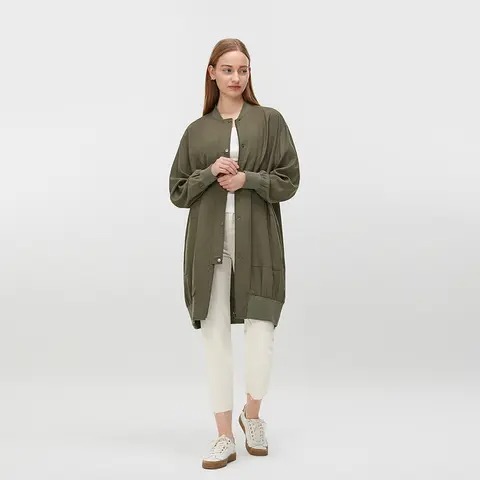
Learning how to style a Trench Coat is less about trends and more about simple, smart choices. Focus on the right length, a clean fit, and a balanced color palette. Small details, like shoes and accessories, help shape the final look. Once these basics feel clear, it becomes easy to create outfits that look polished and natural.
Start with one versatile trench coat in a neutral tone. Pair it with reliable basics, then adjust layers and styling for different seasons and occasions. This approach keeps your wardrobe flexible and easy to manage. Companies like Guangzhou Meiji Garment Company support this idea by offering well-made, customizable garments designed for long-term use. Their focus on quality and dependable service adds real value, making each trench coat easier to style, wear, and rely on over time.
A: A Trench Coat is easy to style because it works with casual, work, and dressy outfits. Its clean shape, neutral colors, and structured design help simple clothes look more polished.
A: Style a Trench Coat with jeans, a knit, and sneakers for a relaxed look. You can also wear it with straight-leg pants and loafers for a slightly sharper outfit.
A: Trench Coat fit affects the whole silhouette. Good shoulder fit, proper sleeve length, and enough room for layering make it look cleaner and feel more comfortable.
A: A Trench Coat in beige, camel, black, or olive is usually the most versatile. These shades pair easily with basics and work well across different seasons.
A: Yes. A long trench works well with midi dresses for a smooth line, while shorter trench styles pair better with shorter hemlines for balanced proportions.
A: It often is, because it can be worn across many settings and seasons. A well-made trench coat offers long-term value through repeat wear, timeless style, and easy outfit building.


