COMMITTED TO PROVIDE THE START-UPS AND OLD BRANDS WITH ALL THE SERVICES

Views: 0 Author: Site Editor Publish Time: 2026-04-10 Origin: Site


Have you ever noticed how the same trench coat can look completely different in one day? A small detail like the belt can change everything. It can make a look feel sharp, relaxed, or even more stylish without adding anything new.
A trench coat belt does more than close the coat. It shapes the silhouette and controls how the outfit feels. The same Casual Trench Coat can look polished for work or easy for weekends, simply based on how it is tied. That is why this step matters more than most people think. In this article, you will learn simple and practical ways to tie a trench coat belt. We will also show how different methods fit different outfits and occasions, so your Casual Trench Coat always looks intentional and well-styled.
The front knot remains the most structured option. It works best when you want clear shape and balance. Start by closing the coat and aligning both belt ends evenly. Cross one side over the other, then pull it through and tighten gently.
This method creates a centered focus point. It draws attention to the waist while keeping the coat symmetrical. Many people use it for office wear or formal settings. It also works well for product presentation because it looks neat and controlled.
● Keeps the coat structured and sharp
● Works best for fitted or tailored outfits
● Easy to adjust throughout the day
The side knot feels relaxed and modern. Instead of tying in the center, shift slightly to one side. Wrap the belt, cross the ends, and secure a simple knot. Let the ends fall naturally.
This style softens the silhouette. It allows the front details of the coat to stay visible. For a Casual Trench Coat, it creates a more approachable and easygoing look. It works especially well for everyday outfits like jeans or sneakers.
● Adds movement without losing structure
● Keeps the outfit looking natural
● Highlights coat details like buttons
The back tie is ideal when wearing your trench coat open. Pull both belt ends behind your back, cross them, loop one through, and tighten into a flat knot.
This creates shape at the back while leaving the front open. It is perfect for showcasing your outfit underneath while maintaining a clean silhouette. Many stylists prefer this method for everyday wear because it feels natural and easy.
The half bow adds a stylish touch without looking too formal. Start with a regular bow, then pull one loop out so only one side remains.
This creates a softer and more relaxed shape. It works well with lighter fabrics and adds visual interest without bulk. It is a great choice when you want your trench coat to feel elegant but not overly styled.
This method focuses on practicality. Create a loop with one end of the belt, pass the other end through, and pull tight. It keeps the belt secure throughout the day, even when moving a lot. For commuting or long wear, this method ensures your Casual Trench Coat stays neat and controlled.
Belt Style | Best For | Effect |
Front Knot | Formal outfits | Structured and clean |
Side Knot | Casual wear | Relaxed and modern |
Back Tie | Open styling | Light and effortless |
Half Bow | Soft styling | Elegant and subtle |
Loop & Pull | Daily wear | Secure and practical |
Note: Always adjust belt length before tying. Balanced ends create a cleaner finish.
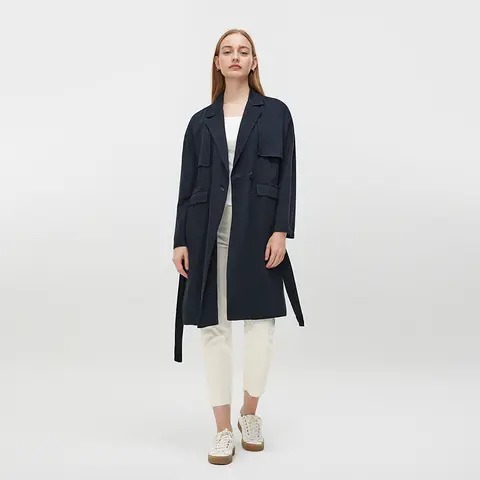
For daily wear, comfort should lead the styling choice. A side knot or back tie usually works best because both keep the coat looking easy and natural. They also pair well with jeans, sneakers, ankle boots, or chunky sweaters. If you want the outfit to feel casual but still put together, avoid a very tight center knot. That can make the coat look too formal. A Casual Trench Coat looks best when it has some movement. Let the belt support the outfit instead of becoming the only focus.
Office and smart-casual outfits usually need cleaner lines. In those cases, the front knot or loop-and-pull method makes more sense. They create a tidier waistline and keep the trench coat looking aligned from the front. If the rest of the outfit includes tailored trousers, slim knits, loafers, or a structured dress, the belt should support that sharper direction.
This does not mean the trench has to feel stiff. It simply means the lines should look more controlled. A Casual Trench Coat can still work in smarter settings if the belt tie helps organize the silhouette. That is often all it takes to make the coat feel more elevated.
Choose a sharper tie when the outfit includes:
● Tailored pants or straight skirts
● Button-up shirts or fitted knitwear
● Loafers, ankle boots, or sleek flats
● Cleaner color palettes and structured layers
An open-front trench should still feel intentional. That is where the back tie shines. It keeps the belt controlled, shapes the coat from behind, and allows the outfit underneath to stay visible. This is especially helpful when your layers are part of the styling story, like a striped knit, a denim shirt, or a printed dress. On a Casual Trench Coat, it gives a relaxed frame without looking unfinished. It also keeps the belt from hanging loose at the sides, which often makes open styling look messy rather than effortless.
Tip: Match belt style to the occasion. This improves both styling and product presentation.
Style | Effect | Best Use |
Front Tie | Sharp, structured | Formal, defined shape |
Back Tie | Relaxed, open | Casual, layered looks |
A front tie works best when waist definition matters. It pulls the eye inward, sharpens the body line, and makes the coat feel more tailored. This is useful for people who want a stronger silhouette or who wear the trench over slim layers. It also makes the coat feel more finished in photos, product styling, and formal settings. If your Casual Trench Coat has a long, fluid cut, a front tie can add structure fast. Just keep the knot neat. A bulky knot breaks the line and defeats the purpose.
A back tie changes the mood right away. It opens the front, softens the shape, and lets your inner layers do more visual work. That is why it often feels more relaxed and more modern. It is especially effective when your coat already has nice lapels, buttons, or contrast lining that you want to show. This approach also fits the kind of balance that experienced apparel makers pay attention to. The source text describes MEIJI as a customization-focused clothing manufacturer that values dependability, service, and garment detail, which aligns well with this more considered styling approach.
Always check belt length first. Uneven ends often lead to bulky, messy knots that look unbalanced. Balance both sides before tying to get a cleaner and more controlled result. This small step makes every tying method look more refined.
The position of the knot matters more than many people expect. A center knot highlights the waist and creates structure, while a side knot softens the overall look. A back tie creates a more relaxed silhouette and shifts focus to the full outfit. Choose placement based on your outfit and desired style.
Different fabrics behave in different ways. Lightweight coats work well with bows and side knots because they drape easily. Heavier coats need stronger knots like the front tie to hold shape. High-quality production, like that from MEIJI, ensures better drape and structure, which improves how the belt sits and stays in place.
Use tighter base knots and secure loops to prevent slipping during movement. The loop-and-pull method is especially helpful for long wear or busy days. It keeps the belt stable without constant adjustment.
Note: A secure belt should feel stable but not tight, so the coat can still move naturally.
Use a side knot or back tie for relaxed outfits. These styles keep the look casual while adding shape and natural movement. They also help balance the outfit without making it feel too structured or heavy. This approach works especially well for everyday wear, where comfort and style need to blend easily.
Dresses and skirts pair well with softer belt styles. A half bow works nicely because it follows the natural movement of light fabrics. A side knot is also a good choice, especially when the outfit has volume or prints. Keep the trench slightly loose so the layers underneath can move freely.
This approach feels right for spring and early autumn. It helps the Casual Trench Coat blend into the outfit instead of standing out too much.
Outfit Base | Best Belt Method | Why It Works |
Straight jeans and flats | Side knot | Relaxed and balanced |
Wide-leg denim and knitwear | Back tie | Open and layered |
Midi dress | Half bow | Soft and fluid |
Tailored trousers | Front knot | Clean and sharp |
Travel or long days | Loop-and-pull | Secure and stable |
These combinations make styling easier in daily life. You can quickly match your belt style to your outfit without overthinking it.
Even simple belt styling can go wrong without attention to detail. Small mistakes often affect the overall look more than expected. By understanding a few common issues, you can keep your trench coat looking clean, balanced, and well-styled.
Mistake | What Happens | Better Approach |
Tying the belt too tight | Creates stiffness and ruins natural drape | Keep the knot firm but relaxed |
Uneven belt ends | Makes the outfit look unbalanced | Adjust both sides before finishing |
Wrong knot for outfit | Breaks the overall styling harmony | Match knot style to outfit mood |
Avoiding these mistakes helps your trench coat look more natural and polished. Small adjustments can quickly improve the overall styling result.
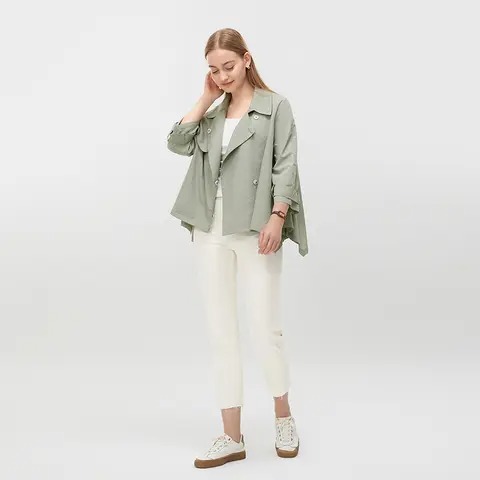
Learning how to tie a trench coat belt can change the entire look of your outfit. A simple knot can shape the silhouette, adjust the mood, and make a Casual Trench Coat feel more refined or relaxed. By trying different methods, you can easily match your coat to daily wear, work settings, or layered styling without needing new pieces.
With the right technique, one trench coat becomes far more versatile and practical. This is where quality also plays a role. Guangzhou Meiji Garment Company focuses on well-crafted garments that offer better structure, smoother drape, and reliable comfort. These features help belts tie more cleanly and hold their shape longer, giving real value to both style and everyday use.
A: The simplest way is the classic front knot. Cross the belt ends at the waist, pull one through, and tighten it neatly. This method gives a Casual Trench Coat a clean and polished shape.
A: The back tie is usually the best option. It keeps the belt controlled behind the waist and lets the front stay open. A Casual Trench Coat looks more relaxed and layered this way.
A: It changes the coat’s shape, balance, and overall mood. A good knot can make the same coat look sharper, softer, or more casual. It also helps the outfit feel more complete.
A: Use the loop-and-pull method for better hold. It keeps the knot secure during walking or long wear. This helps a Casual Trench Coat stay neat throughout the day.
A: It depends on the look you want. A front tie gives stronger waist definition, while a back tie feels lighter and more relaxed. For many daily outfits, a Casual Trench Coat works especially well with a back tie.


