COMMITTED TO PROVIDE THE START-UPS AND OLD BRANDS WITH ALL THE SERVICES


You want to know how to fold a shirt quickly. Lay your shirt flat, smooth out wrinkles, then fold each side toward the center and bring the bottom up to meet the collar. Folding keeps your Custom Shirt looking sharp, saves space, and protects special prints or labels. MEIJI’s experience in custom shirt manufacturing means you get tips that help your shirts stay fresh and professional every time you fold.
Use the quick fold method to save time and keep your shirts neat. Lay the shirt flat, fold the sides to the center, and bring the bottom up to the collar.
Avoid common folding mistakes like overstuffing drawers and ignoring fabric types. These can lead to wrinkles and damage to your shirts.
Protect custom prints and labels by folding shirts with the design facing down. This prevents rubbing and keeps prints looking fresh.
Choose the right folding method based on your needs. Use file folding for easy access, rolling for travel, and bulk folding for storage.
Decide whether to fold or hang based on the fabric type. Fold thicker shirts and hang lightweight ones to maintain their shape.
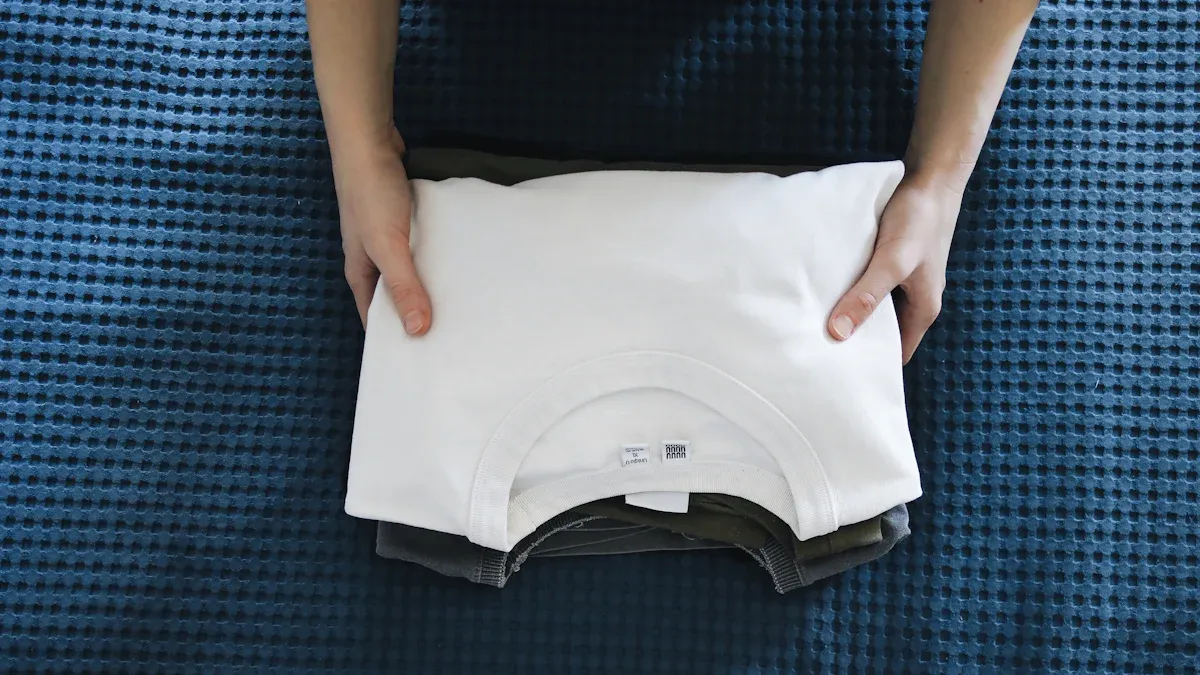
You want to know how to fold a shirt in the fastest way possible. The quick fold method works for almost any shirt, whether you have a custom shirt from MEIJI or a basic tee. You can master this method in just a few tries. Here’s how to fold a shirt step by step:
Lay your shirt flat on a clean surface. Smooth out any wrinkles with your hands.
Fold one side of the shirt toward the center. Line up the sleeve so it sits flat.
Fold the other side in the same way. Make sure both sleeves are even.
Bring the bottom of the shirt up to meet the collar. You can fold it in half or thirds, depending on your drawer space.
Press down gently to keep the fold crisp.
Tip: If you want to organize your shirts like a pro, try folding along the seam lines. This helps prevent creases and keeps your shirts looking fresh.
The quick fold method saves time and keeps your shirts neat. Many people ask how to fold shirts quickly for travel or storage. With practice, you can fold a shirt in seconds. Some methods, like the KonMari fold, take longer to learn, but they help you organize better and find your shirts faster.
You might run into a few problems when you first learn how to fold. Here are the most common mistakes people make, according to apparel experts and professional organizers:
Overstuffing drawers. If you pack too many shirts together, they get wrinkled and hard to find.
Ignoring fabric types. Delicate shirts need gentle folding. Treating all shirts the same can damage special fabrics.
Folding in large sections. Big folds take up more space and make it tough to see each shirt.
Mixing different folding methods. If you use several folding styles, your drawer looks messy and shirts get lost.
Skipping the declutter step. Keeping shirts you never wear clutters your space and makes folding harder.
Note: Try the file fold method if you want to see all your shirts at once. Rolling shirts can also help reduce wrinkles and save space.
When you fold a shirt the right way, you protect the fabric and keep your custom prints or labels looking sharp. MEIJI recommends using a consistent folding method for all your shirts. This keeps your drawers organized and helps you find your favorite shirt fast.
When you fold a custom shirt, you want to keep the prints and labels looking new. Many custom shirts have special designs, DTF prints, or private labels that make your shirt unique. If you fold your shirt the right way, you help protect these details from cracking, fading, or peeling.
Here’s how you can fold a custom shirt to protect prints and labels:
Lay your custom shirt flat with the design facing down. This keeps the print from rubbing against other clothes.
Smooth out any wrinkles with your hands. Wrinkles can cause prints to crack over time.
Fold each side toward the center, keeping the printed area flat and uncreased.
Bring the bottom up to meet the collar, folding gently so you do not press hard on the print or label.
Store your custom shirt in a drawer or on a shelf with enough space so nothing presses down on the design.
Tip: Always avoid folding directly over the printed area. If your shirt has a large front print, fold just below or above it. This helps the design last longer.
You might wonder why this matters. Sewing techniques for end fold labels give better durability than iron-on labels. Iron-on labels can wear out with washing and heat, but sewn labels stay strong. DTF prints can last up to 100 washes if you care for them. Wash your custom shirt in cold water and air dry it to keep the print looking fresh.
Do you want your custom shirt to show off your brand? You can fold it like a pro, just like stores do for retail displays. This method keeps your shirt neat and puts the brand label or logo front and center.
Try this step-by-step way to fold your custom shirt for display:
Lay the shirt face-down on a flat surface. Smooth out wrinkles.
Fold one sleeve across the center.
Fold the other sleeve to match.
Fold one side of the shirt to the center.
Bring the other side in to meet the first.
Fold the shirt in half, bringing the bottom edge to the top of the shoulders.
Flip the shirt over. Make sure all edges are straight and crisp.
This folding style works great for shirts with private labels or custom logos. When you stack your shirts, the brand detail sits on top, easy to see.
At MEIJI, we know how important your brand is. Our custom shirt options include private label services, so you can add your own logo or name with a professional finish. We use sewing for labels to make sure they last. Our cut and sew shirts also use high-quality prints that stay bright with the right care.
If your custom shirt uses specialty fabrics like silk or linen, you may want to hang it instead of folding. Hanging helps prevent wrinkles and keeps the shape. Use padded hangers for silk shirts so they do not slip. Give each shirt enough space in your closet for air to move around.
Remember: The way you fold or store your custom shirt can make a big difference. Protect your prints, show off your brand, and keep your shirts looking their best.
You have more than one way to fold a shirt. Sometimes you want to save space. Other times you want to keep shirts wrinkle-free or ready for bulk storage. Let’s look at three popular methods: file fold, rolling, and bulk fold. Each one has its own strengths.
The file fold method helps you see all your shirts at once. You fold each shirt into a neat rectangle and stand it upright in your drawer. This way, you can grab any shirt without messing up the rest. You get a tidy look and fewer wrinkles. This method works well for custom shirts with prints or labels because you can spot your favorite design right away.
Rolling is a favorite for travel. You lay your shirt flat, fold in the sleeves, and roll it up tightly from the bottom. This saves a lot of space in your suitcase. Rolling can help avoid wrinkles if you start with a smooth shirt and roll it carefully. Travel experts say packing cubes work best for suitcase space, but rolling still helps you fit more shirts in a small bag.
Rolling clothes usually means fewer wrinkles because you skip hard creases.
For formal shirts, folding is better to keep them crisp.
Bulk fold is great when you need to pack many shirts at once, like for shipping or storage. You fold shirts in a simple, uniform way, stack them, and place them in boxes. This keeps shirts flat and protects prints during transport. The retail fold style gives a professional look and helps shirts arrive looking fresh.
Here’s a quick comparison:
Method | Description | Space-Saving | Wrinkle Management |
|---|---|---|---|
Rolling | Roll shirts tightly for travel or storage | High | Fewer wrinkles |
File Folding | Fold into rectangles, store upright for easy access | Moderate | Fewer wrinkles |
Bulk Fold | Uniform fold for stacking and shipping | High | Good for shipping |
Tip: Use file fold for daily storage, rolling for travel, and bulk fold for big shipments. Pick the method that fits your needs best!
Choosing between folding and hanging your shirts can feel tricky. You want your custom shirts to look their best and last a long time. Let’s break down when you should fold and when you should hang, so you can keep your closet organized and your shirts in top shape.
Folding works best for many types of shirts, especially if you want to save space or protect certain fabrics. You might choose folding for these reasons:
You want to fit more shirts in your drawer or on your shop floor.
You have thick fabrics or activewear that hold their shape well.
You want to avoid stretching out the shoulders of heavier shirts.
You need to store sweaters, knits, or denim, which can lose their drape if hung.
You want to keep delicate undergarments safe from snags.
Here’s a quick look at which shirts are better folded:
Type of Clothing | Recommendation |
|---|---|
Thick Fabrics | Fold |
Activewear | Fold |
Folding also helps the environment. You use fewer hangers, which means less plastic waste. You also make better use of your storage space.
Tip: If you live in a humid area, check your drawers often. High humidity can cause mold, so keep your storage dry and clean.
Hanging is the way to go for shirts that wrinkle easily or need to keep their crisp look. You might want to hang your shirts if:
You have lightweight fabrics like silk or linen that crease when folded.
You want to keep dress shirts, blouses, or button-downs looking sharp.
You need to see your shirts easily and grab them fast.
You want to keep the structure of suits or dresses.
Here are some common scenarios for hanging:
Scenario | Reason for Hanging |
|---|---|
Long Sleeve Shirts | Prevents creases and wrinkles, especially for button-downs |
Dresses | Preserves the look and prevents wrinkling of delicate fabrics |
Suits | Maintains the appearance and prevents unsightly creases |
Keep in mind, hanging can stretch out heavier shirts if you don’t use the right hangers. Some fabrics may snag, so choose smooth, padded hangers for delicate shirts.
Note: Hanging uses more space and requires hangers, which can impact the environment. Try to balance your storage methods for the best results.
Folding and hanging both have their place in shirt care. Think about your fabric, space, and climate. With these tips, you can keep your custom shirts from MEIJI looking fresh and ready to wear every day.
You want your shirts to look crisp every time you wear them. Wrinkles can sneak up on you, but you can stop them with a few smart moves. Try these tips to keep your shirts smooth:
Group shirts by fabric type. Cotton, linen, and synthetics need different care.
Use the filing method when folding shirts. This keeps creases away and helps shirts stand upright in drawers.
Pick the right hanger for each shirt. Lightweight shirts do best on slim hangers. Heavy shirts need sturdy hangers to keep their shape.
Store shirts in clear plastic containers if you need extra protection. These containers keep out moisture and pests.
Pro tip: Always smooth out your shirt before folding or hanging. This simple step helps prevent deep wrinkles.
Getting organized makes your life easier. You can find your favorite shirt fast and keep everything neat. Here’s how you can organize shirts for home or travel:
Lay each shirt flat, front-side down.
Fold the sides inward so the sleeves meet in the middle.
Fold the bottom up halfway to the shoulders.
Fold once more to make a compact square.
When you travel, folding shirts the right way saves space and keeps your shirts looking sharp. You avoid fabric stress and protect buttons. You also cut down on ironing time. Rolling shirts works well for suitcases, but folding shirts gives a polished look for business trips.
Using baskets or bins in your closet helps you keep shirts tidy. You can slide baskets under your bed or stack them on shelves. This makes it easy to see all your shirts and grab what you need.
Storage Solution | Benefit |
|---|---|
Filing Method | Prevents creases |
Rolling | Saves space for travel |
Baskets/Bins | Easy access, organized |
Remember: Proper folding and smart storage keep your custom shirts from MEIJI looking fresh, whether you’re at home or on the go.
You have many ways to fold a shirt, from quick folds to rolling and file folding. Each method helps you keep your custom shirts neat and protects prints or labels. Try out different styles and see what works best for your space and needs. Proper folding keeps your shirts looking sharp and lasting longer. Got a favorite folding trick? Share your tips below or check out MEIJI’s custom shirt options for your next wardrobe upgrade!
You can smooth out your shirt before folding. Store it flat or upright in a drawer. Avoid overstuffing. For best results, use the file fold method. This keeps your custom shirts looking crisp and ready to wear.
Rolling works great for travel. Lay your shirt flat, fold in the sleeves, and roll tightly from the bottom. This saves space and helps prevent wrinkles. You can fit more custom shirts in your suitcase this way.
Yes! Place the shirt face down. Fold around the print, not over it. This protects your custom design. MEIJI recommends gentle folds to keep prints and labels looking new.
Fold thicker shirts and those with prints. Hang lightweight or delicate shirts like silk. Use padded hangers for extra care. Choose what works best for your space and shirt type.
