COMMITTED TO PROVIDE THE START-UPS AND OLD BRANDS WITH ALL THE SERVICES

Views: 0 Author: Site Editor Publish Time: 2025-10-13 Origin: Site


If you want to remove sweat stains from your favorite custom shirt, start by dabbing the stain gently with cold water and a mild detergent. Always treat your shirt with care, especially if you picked a delicate fabric or a unique design. Sweat stains can show up because of sweat, antiperspirants with aluminum, or even body oils mixing with your deodorant. Sometimes, the fabric type makes stains more visible. You can trust that there’s a solution to help keep your shirt looking clean and fresh. MEIJI brings years of expertise in custom shirt care, so you know your shirt is in good hands.
Treat sweat stains fast. Dab the stain. Use vinegar solution or baking soda paste. This stops stains from staying forever.
Test cleaning solutions on a hidden spot first. This keeps delicate fabrics safe. It also protects custom prints from harm.
Wash delicate fabrics with cold water. Hot water can make stains stay. This is true for natural fibers like cotton.
Pick breathable undershirts to soak up sweat. This stops stains from getting to your outer shirt. Doing this can save your best shirts.
Wash shirts often after wearing them. Acting fast stops sweat from sticking to the fabric. This keeps your shirts looking new.
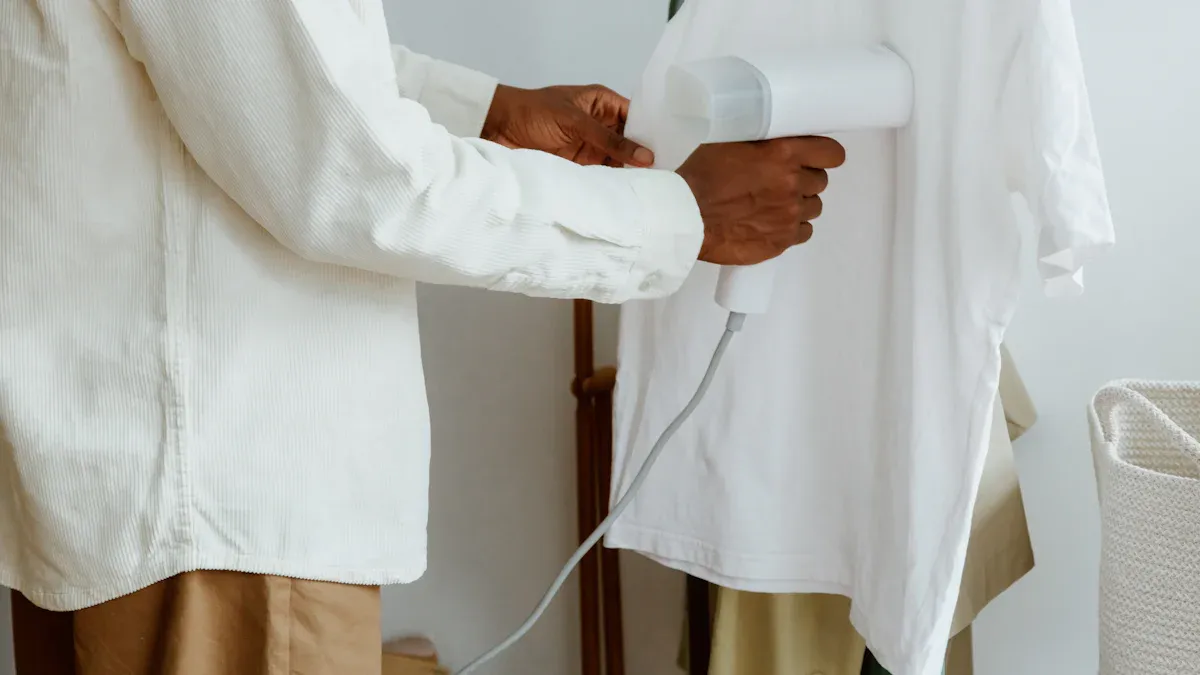
When you notice sweat stains on your shirt, acting fast makes a big difference. Here are some quick steps you can follow to remove sweat stains before they set in:
Blot the stain gently with a clean cloth or paper towel. This helps soak up extra sweat and stops the stain from spreading.
Mix equal parts water and white vinegar. Dab this solution onto the stain and let it sit for at least 30 minutes.
For stubborn stains, make a paste with baking soda and a little water. Rub it gently into the fabric using your fingers or a soft brush.
Wash the shirt in cold water with a gentle detergent. Avoid using bleach because it can make stains worse, especially on custom shirts.
Tip: Always test any cleaning solution on a small, hidden area of your shirt first. This helps you protect delicate fabrics and custom prints.
You might wonder why you need to treat sweat stains right away. The answer is simple: the longer sweat sits on your shirt, the harder it becomes to remove. If you leave stains untreated, they can become permanent. Heat from dryers or even the sun can bond sweat with the fabric, making stains almost impossible to get out.
Launder shirts as soon as possible after sweating.
Delayed treatment lets stains set deep into the fibers.
Repeated heat exposure can lock in sweat stains for good.
Taking quick action helps keep your shirts looking fresh and new. If you want to keep your custom shirts in top shape, always treat sweat stains as soon as you spot them.
Sweat stains can show up on any shirt, but you might worry most about your custom shirt or favorite dress shirt. You don’t need fancy products to tackle these stains. You can use simple diy methods at home that work well and keep your shirts looking fresh. Let’s walk through each solution step by step.
You probably have baking soda in your kitchen. It’s a great tool for sweat stains because it acts as a mild abrasive and helps neutralize acidic sweat. Hydrogen peroxide for stubborn stains works as a gentle bleaching agent. When you mix these together, you get a powerful diy method for removing stains from white dress shirts and even some colored shirts.
Here’s how you can use a baking soda paste and hydrogen peroxide:
Mix equal parts baking soda, water, and hydrogen peroxide to make a thick paste.
Use an old toothbrush or your fingers to rub the paste into the stain. Focus on areas like the underarms or if you want to remove shirt collar sweat stains.
Let the paste sit for 30 minutes.
Wash the shirt in cold water. Air dry to check if the stain is gone.
Tip: Always test this solution on a hidden part of your custom shirt first. Some fabrics, especially those that aren’t dye-stable or are dry-clean only, can react badly to peroxide. If you’re working with stains from colored dress shirts, patch test before using this diy method.
Baking soda paste is safe for most cotton shirts and helps with stains from white dress shirts.
Avoid hydrogen peroxide on delicate or custom shirt fabrics unless you’ve tested it first.
White vinegar and water solution is another diy method that works well for sweat stains. Vinegar is mildly acidic, so it breaks down tough stains and neutralizes odors without harming most fabrics.
Here’s how you can use vinegar:
Mix equal parts distilled white vinegar and water.
Soak the stained shirt in the solution for at least 30 minutes.
Wash as usual in cold water.
Vinegar acts as a natural fabric softener and leaves your shirt feeling fresh. If you have stains from colored dress shirts, vinegar is usually safe, but always test first on a small area. This solution is gentle enough for most custom shirts.
Note: Vinegar is great for removing sweat stains and odors. It’s a good first step before trying stronger diy methods.
Lemon juice is a popular diy method for sweat stains, but you need to be careful. The acid in lemon juice can help lift stains, but it might also cause discoloration or weaken the fabric, especially on natural fibers like cotton or silk.
How to use lemon juice:
Squeeze fresh lemon juice onto the stain.
Let it sit for 15-30 minutes.
Rinse with cold water and air dry.
If you use lemon juice on stains from white dress shirts, keep the shirt out of direct sunlight while it dries. Sunlight can make the bleaching effect stronger and cause more damage. For custom shirts or stains from colored dress shirts, test on a hidden spot first.
⚠️ Lemon juice can sometimes damage prints or delicate fabrics. Use this solution only if other diy methods haven’t worked.
Sweat often leaves oily stains, especially around the collar and underarms. Dish soap is a simple diy method that works because it contains surfactants. These help break down oil and make it easy to wash away.
Steps for using dish soap:
Apply a small amount of dish soap (like Dawn® Platinum or Palmolive Ultra Pure + Clear) directly to the stain.
Gently rub the soap into the stain with your fingers or a soft brush.
Let it sit for 10-15 minutes.
Rinse with cold water and wash as usual.
Dish soap is safe for most custom shirts and works well for stains from colored dress shirts. It’s especially good for oily sweat stains that don’t respond to other solutions.
Tip: Dish soap is gentle and effective. Try it first if you’re worried about damaging your custom shirt.
If you want to protect your custom shirt, start with the mildest solution. Vinegar and dish soap are usually safest for delicate fabrics and prints. Baking soda paste and hydrogen peroxide for stubborn stains work best for tough stains from white dress shirts, but always patch test first. Lemon juice is a last resort for sweat stains and should be used with caution.
You can keep your shirts looking new by using these diy methods and testing each solution before treating the whole stain. MEIJI recommends gentle care for all custom shirts, so you can enjoy your favorite styles without worrying about stains.
If home remedies do not work, you can try commercial products. These products help save your custom shirts and keep them looking nice. Here are some top choices and how to use them safely.
Enzyme-based detergent is strong against sweat stains. These detergents have protease as a main ingredient. Protease breaks down protein stains from sweat. This makes the stains easier to wash out. Add the detergent to your normal laundry. For tough stains, put a little detergent right on the stain. Let it sit for 15 minutes before washing.
Tip: Always read your custom shirt’s label before using any detergent. Some delicate fabrics need extra care.
Oxygen bleach is another way to fight sweat stains. It releases hydrogen peroxide when mixed with water. This helps lift stains and makes your shirt brighter. Soak your shirt overnight in hot water with oxygen bleach. Then wash it like normal. Here is a quick comparison:
Method | Product/Ingredient | Instructions |
|---|---|---|
Oxygen Bleach | Sodium Percarbonate/Sodium Perborate | Soak overnight, then launder as normal. |
Enzyme Detergent | Protease Detergent | Pretreat stain, then wash with detergent. |
Test for colorfastness before using oxygen bleach on custom or colored shirts. Always follow the care label and use only non-chlorine bleach if needed.
Test for colorfastness so your shirt does not fade.
Follow label instructions for the best results.
If you want something made for custom shirts, MEIJI has special care products. Our detergent is gentle on delicate fabrics but tough on sweat stains. Use MEIJI’s enzyme-based detergent for daily cleaning. Try our oxygen bleach solution for hard stains. Many people trust MEIJI for their custom shirts and special clothes.
“I used MEIJI’s custom shirt detergent and my sweat stains disappeared after one wash. My shirt looks brand new!” — Emily, MEIJI customer
Want to keep your shirts fresh? Check out our custom shirt care products and see the results. Contact MEIJI for help and expert tips on caring for your clothes.
You want your custom shirt to look and feel great every time you wear it. Delicate fabrics need extra attention, especially when you’re dealing with sweat. Hand wash your shirt in lukewarm water with a mild detergent. This gentle method helps prevent damage and keeps the fibers strong. Lay your shirt flat on a towel to dry. Hanging or wringing can stretch the fabric and ruin the shape. If you notice sweat stains, blot and rinse with cold water before using any cleaning solution. Wash less often to reduce wear and tear. Use a mesh bag if you decide to machine wash, and always separate colors to avoid bleeding.
Hang shirts on a hanger for a day to let them breathe and recover from wear.
Use a steamer to refresh your shirt and remove wrinkles.
Tumble dry on low heat or lay flat to dry to prevent shrinkage.
Iron on a low setting to avoid scorching the fabric.
Custom shirts often feature unique prints, labels, or embroidery. You want to keep these details looking sharp. Avoid bleach and harsh chemicals, which can fade colors and damage prints. Always use a mild detergent and wash your shirt inside out. This simple step protects the design from friction and fading. If your shirt has a private label or special branding, gentle care keeps it looking professional and stylish.
Tip: MEIJI’s experience with high-end and custom clothing means we know how to protect every detail. Our clients trust us to deliver shirts that last and look amazing.
Before you treat sweat stains, test your cleaning method on a hidden part of your custom shirt. Apply the stain remover to an inconspicuous area and watch for any changes in color or texture. This step helps you avoid damage and keeps your shirt looking new. If the fabric stays strong and the color doesn’t change, you can treat the full stain with confidence.
Apply the cleaning agent to a small, hidden spot.
Check for discoloration or damage.
Make sure the fabric stays intact before treating the whole stain.
MEIJI’s team always recommends testing first. We want you to feel confident caring for your custom shirt. Here’s what one customer shared:
“I followed MEIJI’s care tips for my custom shirt, and the sweat stains came out without harming the fabric or the print. My shirt looks perfect!” — Jordan, MEIJI client
You can trust MEIJI to help you keep your shirts fresh, stylish, and free from sweat stains.
When you want to keep your shirts looking fresh, using the right methods for sweat stain removal makes a big difference. Let’s break down the best practices so you can tackle sweat and stains with confidence.
Water temperature matters when you wash shirts with sweat stains. If you have a shirt made from synthetic fabric, hot water works better. Hot water helps break down oily sweat and lifts stains from polyester or blends. For natural fabrics like cotton or linen, cold water is the best solution. Cold water stops protein stains from bonding with the fibers. You can also try a mix of vinegar and hot water as a pre-treatment for tough sweat stains. Always check the care label before you choose the water temperature.
Tip: Turn your shirt inside out before washing. This helps target sweat stains under the arms and protects prints.
Pre-treatment is the secret to removing sweat stains before they set. You have several options for pre-treatment, and each solution works for different types of stains. Here’s a quick guide:
Method | Description | Effectiveness on Sweat Stains |
|---|---|---|
Laundry Detergent | Apply directly to the stain and let sit for 10 minutes. | Good for common stains |
Vinegar and Baking Soda | Mix equal parts to form a paste, apply, and let sit for 15-30 minutes. | Effective for stubborn stains |
Commercial Stain Remover Sprays | Designed to break down stains; apply and let sit for 5-10 minutes. | Targeted for specific stains |
DIY Pre-Treater | Mix water, detergent, and hydrogen peroxide; apply and let sit for 15 minutes. | Works well on tough stains |
You should always use pre-treatment as soon as you notice sweat stains. Immediate action keeps stains from bonding with the fabric. Avoid chlorine bleach, since it can make yellowing worse. Oxygen-based bleach is a safer solution for most shirts.
Drying your shirt the right way helps prevent sweat stains from setting. Air drying is the safest solution, especially for custom shirts and delicate fabrics. If you use a dryer, choose a low heat setting. High heat can lock sweat stains into the fabric and make them harder to remove. Lay shirts flat or hang them up to dry. This keeps the shape and protects prints or labels.
Air dry shirts to avoid setting stains.
Use low heat if you must use a dryer.
Lay shirts flat for delicate fabrics.
Note: Wash shirts promptly after wearing. Quick washing and smart drying habits help you avoid sweat stains and keep your shirts looking new.
By following these best practices, you can handle sweat stains with ease. Use the right solution, act fast with pre-treatment, and dry shirts carefully. MEIJI recommends these steps for all custom shirts, so you get the best results every time.
Sweat stains can be tough, but you can take steps to stop them before they start. If you want to keep your shirts looking fresh, focus on preventing sweat stains with a few smart habits.
The right undershirt makes a big difference. You want a layer that helps absorb sweat and keeps it away from your outer shirt. Try these tips:
Pick breathable fabrics like cotton or linen. These materials wick moisture away from your skin and help prevent sweat stains.
Go for looser and lighter undershirts. They let air move around and keep you cooler.
Dark-colored undershirts can hide sweat marks, so stains are less visible.
Make sure your undershirt fits well. Tight shirts can trap heat and make you sweat more.
A good undershirt acts as a barrier and helps remove armpit stains before they reach your favorite custom shirt.
How you use antiperspirant matters. You can prevent sweat stains by following these simple steps:
Apply antiperspirant to clean, dry skin. Wait a few minutes before dressing.
Use only a small amount. Too much can build up and cause yellow stains.
Choose aluminum-free or all-natural products to avoid yellowing.
Trim or shave your armpit hair. This reduces moisture and helps the antiperspirant work better.
Stay hydrated and avoid spicy foods or caffeine, which can make you sweat more.
Tip: Loose-fitting shirts help reduce sweat patches and keep you comfortable.
Regular care keeps your shirts looking new and helps prevent sweat stains from setting in. Here’s what you can do:
Wash shirts as soon as possible after wearing. This stops sweat from bonding with the fabric.
Pre-treat stains with baking soda paste or a vinegar soak before washing.
Always follow care labels and spot test any new product.
Switch to aluminum-free deodorant if you want to prevent yellow stains.
Remember: Quick washing and smart habits are key to preventing sweat stains and keeping your shirts in top shape.
You can remove sweat stains from your shirts by using simple methods like baking soda paste, enzyme-based cleaners, or lemon juice and salt. Always treat stains gently and test your cleaning method first, especially with custom shirts. Cold water works best for delicate fabrics. If you want to keep your shirts looking fresh, try these tips:
Wash shirts right away.
Wear sweat proof undershirts.
Use less deodorant and let it dry.
MEIJI’s expertise helps you care for your shirts and prevent future stains.
You should use cold water and a mild detergent. Test any cleaning solution on a hidden spot first. Avoid bleach. MEIJI recommends gentle care for all custom shirts.
Try a vinegar and water solution. Soak your shirt for 30 minutes. This method works well for most fabrics and helps protect prints and labels.
Yes, but always check the care label first. Use enzyme-based detergents or oxygen bleach. Wash your shirt inside out to protect prints and labels.
Wear breathable undershirts.
Apply antiperspirant to dry skin.
Wash shirts soon after wearing.
Use MEIJI’s care tips for best results.
Step | Action |
|---|---|
1️⃣ | Try a stronger stain remover |
2️⃣ | Soak in oxygen bleach |
3️⃣ | Contact MEIJI for advice |
You can always reach out to MEIJI for expert support.