COMMITTED TO PROVIDE THE START-UPS AND OLD BRANDS WITH ALL THE SERVICES

Views: 0 Author: Site Editor Publish Time: 2025-12-04 Origin: Site


When you mix pink and green mixed, you often get brown or gray. This is because these colors are across from each other on the color wheel, causing them to cancel each other out when combined. The final color depends on the shades you use, as well as whether you are working with paint, fabric, or light. You can see pink and green mixed together in nursery rooms, and you might also find them in seasonal ads or baby products for all genders. These color combinations help create calm, modern, or welcoming styles in fashion and design.
When you mix pink and green, you often get brown or gray. This happens because of color theory. The colors will look dull, not bright.
The end color changes with the shades and amounts you use. Try using light or dark shades to see new looks.
Mixing paint and mixing light do not give the same results. Paint mixing takes away light. Light mixing makes things brighter.
Pink and green are used in fashion and design for bold looks. This mix can show off your style and personality.
Always try out color mixes where you will use them. See how they look in different lights and with other colors.
Have you ever wondered what color does pink and green make when you mix them together? If you try this at home with paints, you will usually see a brown or gray shade appear. This might surprise you, especially if you expect a bright or pretty color. The answer to what color does pink and green make depends on the shades you use, but most of the time, you will get a muddy or dusty color.
Let’s break it down with a simple list:
Pink comes from mixing red or magenta with white.
Green is made by combining yellow and blue.
When you mix pink and green, you are actually mixing red, yellow, blue, and white all at once.
This combination usually leads to brown or gray, but sometimes you might see olive or mauve if you use different shades.
If you ask what color does pink and green make in different color models, you will see some interesting results. Here’s a quick table to show you how it works:
Color Model | Mixing Result | Explanation |
|---|---|---|
RGB | Varies | Mixing colors of light can give different results than mixing paints. |
CMYK | Black | In printing, pink and green mixed together make black. |
RYB | Brown/Gray | In art class, you will see brown or gray when you mix these colors. |
So, the next time you wonder what color does pink and green make, remember that the answer changes a bit depending on how you mix them and what you use.
You might ask, why do pink and green mixed together make brown or gray instead of something brighter? The answer comes from color theory. When you mix all three primary colors—red, yellow, and blue—you usually get brown or black. Since pink has red and white, and green has yellow and blue, you end up mixing all the main colors at once. That’s why the result looks muddy.
Here are some quick facts to help you understand:
Mixing all three primary colors (red, yellow, blue) usually makes brown or black.
Adding white (from the pink) can lighten the color, turning it grayish.
The exact shade depends on how much of each color you use.
Tip: If you want to see this for yourself, try mixing pink and green food dyes in a clear cup. You will notice the color changes as you add more of one or the other.
Artists and designers have used pink and green together for a long time. Pink stands for softness and warmth, while green brings balance and calm. When you put them side by side, they look fresh and pleasing. But when you mix them, you get a neutral color that can be useful for backgrounds or subtle designs.
If you want to test what color does pink and green make in a classroom or at home, you can use food dyes, glitter, or even special color change demos. These methods help you see how the colors blend and what new shades you can create.
So, the next time you mix pink and green, you will know exactly what to expect and why it happens!
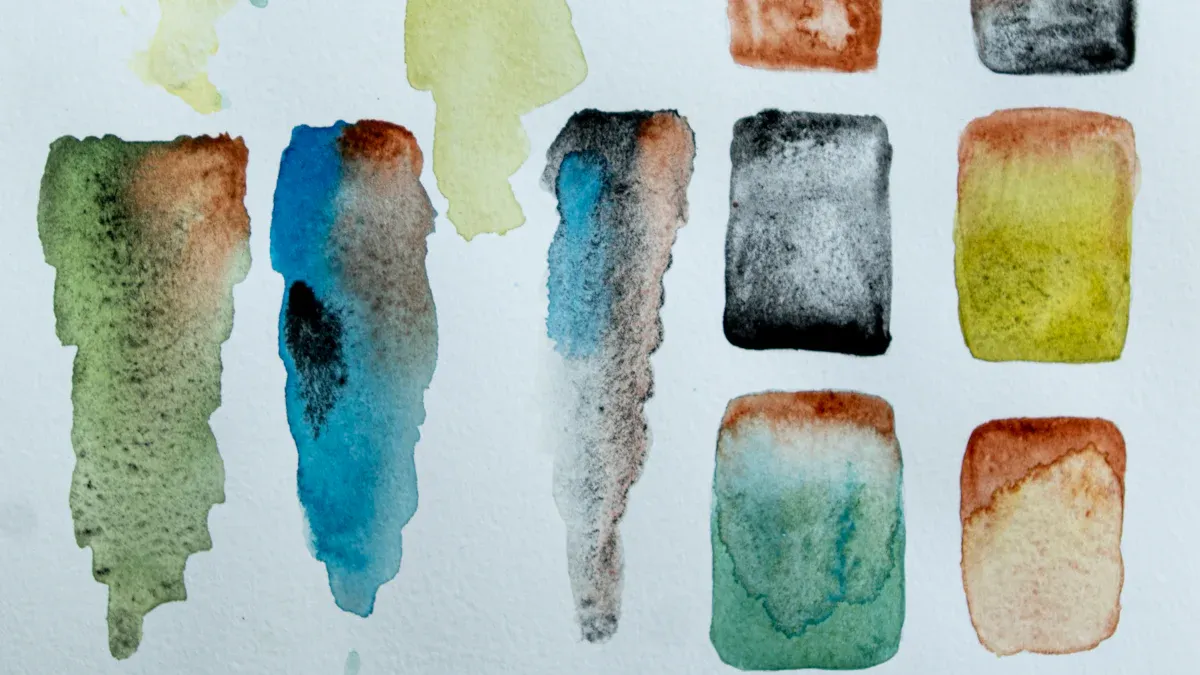
When you start mixing pink and green, you’ll notice that the result depends a lot on the shades you choose. If you use a light pink with a pale green, you might get a soft gray or a muted brown. Darker shades of pink and green mixed together can create a deeper, richer brown or even a muddy olive color. The brightness of each shade changes how the final color looks. For example, a neon pink with a bright green will give you a more vibrant, but still earthy, tone. If you want a gentle look, try pastel shades of pink and green. These can make the mixed color lighter and less intense.
You should always test your colors before you commit to painting a wall or designing a piece of clothing. Sometimes, the undertones in your shades of pink and green can surprise you. A pink with a blue undertone mixed with a yellow-green might look different than you expect. Lighting also plays a big role. The same mix can look warmer in sunlight and cooler under LED lights.
The amount of each color you use when mixing pink and green makes a huge difference. If you add more pink, the mix will lean toward a rosy brown or mauve. More green will push the color toward olive or moss. You can experiment by adding small amounts at a time to see how the color shifts.
Here are some common mistakes people make when mixing pink and green, and how you can avoid them:
Choose your colors in context. Always look at your paint or fabric next to other finishes like floors or countertops.
Don’t test too many swatches. Pick two or three that match your space’s undertones.
Pay attention to undertones. These hidden colors can change how your mix looks in different lighting.
Think about sheen and finish. Glossy or matte surfaces reflect light differently, which affects the final color.
Make your own color story. Don’t just copy someone else’s choices. Your space and style are unique.
If you want to mix pink and green for a project, try using small samples first. This way, you can see how the shades and proportions work together before you make a big change.
When you mix pink and green as paint, you get a very different result than when you mix them as light. Paint mixing is called subtractive mixing. You start with white, and each color you add takes away (or absorbs) some of the light. When you mix pink and green paint, the colors absorb different parts of the light spectrum. The result is usually a brown or gray color. If you use more pink, you might see a dusty rose or mauve. More green can give you an olive or muddy shade.
Tip: To keep your pink and green mixed paint or fabric looking bright, try these steps:
Clean fabrics regularly to remove dust and dirt.
Use a soft brush or vacuum to keep colors fresh.
Spot clean stains right away.
Dry fabrics in the shade to protect them from sunlight.
Pick paints with good lightfastness ratings.
Protect artwork with UV-filtering glass or varnish.
Mixing colored light works in a completely different way. This is called additive mixing. Here, you start with black, and every color you add makes things brighter. If you mix pink (which is a mix of red and blue light) with green light, you do not get brown or gray. Instead, you get a lighter, sometimes whitish or pale color, depending on how strong the lights are. Mixing red and green light gives you yellow, while red and blue make magenta.
Here’s a simple table to help you see the difference:
Mixing Type | Starting Point | What Happens When You Mix Pink and Green? | Example Result |
|---|---|---|---|
Paint (Subtractive) | White | Colors absorb light, get duller | Brown or gray |
Light (Additive) | Black | Colors add light, get brighter | Pale or whitish |
If you want to mix pink and green for a project, remember that paint and light will give you very different results. Try both methods to see which look you like best!
When you want to stand out, pink and green make a bold statement in custom clothing. At Guangzhou Meiji Garment Company, you can create unique pieces that show off your personality. Many designers love using pink plus green for their emotional impact. This color combo feels playful and loud, which makes it perfect for people who want to express themselves.
You might see frog green paired with hot pink in jackets, dresses, or even custom suits. This look is popular with Gen Z because it feels rebellious and fresh. Designers often let one color dominate while the other acts as an accent. For example, you could choose a green coat with pink buttons or a pink shirt with green trim. This approach helps your outfit pop without feeling too busy.
Note: Pink and green make a great choice for seasonal collections. You will see more of these colors in upcoming fashion cycles, especially around cultural events.
If you want to build your own clothing line, pink plus green can help your brand stand out. The emotional tone of this mix is perfect for designs that want to feel warm, loving, and fun. At Meiji Garment, you can customize everything from casual shirts to elegant dresses using these colors.
You do not have to be a designer to enjoy what pink and green make together. You can use this combo in your daily outfits or even in your home. Here are some ways you might see green and pink make a difference:
Deep emerald green with pastel pink walls creates a striking look in living rooms.
Soft blush walls with rich green chairs or tables give a modern, sleek vibe.
Sage green and dusky pink work well in calm, nature-inspired spaces.
Pink linen sofas with green pottery vases add a touch of elegance.
If you want to try this at home, use one color as the main shade and the other as an accent. For a calm look, let green lead and add small pink touches. For a bold style, make pink the star and use green for contrast.
Pink and green make you feel warm, playful, and relaxed. Green brings a sense of nature and calm, while pink adds love and fun. Lighting can change how these colors look, so always check them in different rooms and at different times of day.
Here is a quick table about the environmental impact of using these colors in clothing:
Aspect | Natural Pigments | Synthetic Pigments |
|---|---|---|
Carbon Footprint | Lower | Higher |
Toxicity | Less toxic | More toxic |
Biodegradability | Biodegradable | Non-biodegradable |
Source | Renewable | Non-renewable |
Fashion trends show that pink and green make a comeback every few years. Right now, softer shades are in style, inspired by Y2K looks. You might see a sage-green coat with soft-pink tights on the runway. When you mix pink and green, you join a trend that feels both modern and timeless.
When you mix pink and green, you usually get brown or gray. The exact color depends on the shades and the medium you use. Check out this quick table to see how different combinations work:
Shade Combination | Resulting Color |
|---|---|
Light Pink + Mint Green | Soft Gray |
Dark Green + Hot Pink | Muddy Brown |
Any Pink + Any Green | Neutral Colors |
Try mixing your own shades in paint, fabric, or even light. You might discover a new favorite color for your next fashion or design project!
You usually get a brown or gray color. The exact shade depends on how much pink or green you use. Try small amounts first to see what you like best.
You might get a soft gray or a muted brown. If you use light shades, the result can look gentle and unique. Play around with different pinks and greens to find your favorite mix.
No, it does not. When you mix colored lights, you get a pale or whitish color instead of brown or gray. Paint and light mixing give very different results.
Designers love this combo because it feels fresh and playful. You see it in fashion, home decor, and art. Pink adds warmth, while green brings calm. Together, they make any design pop!


